Reactivating Hanford, Washington
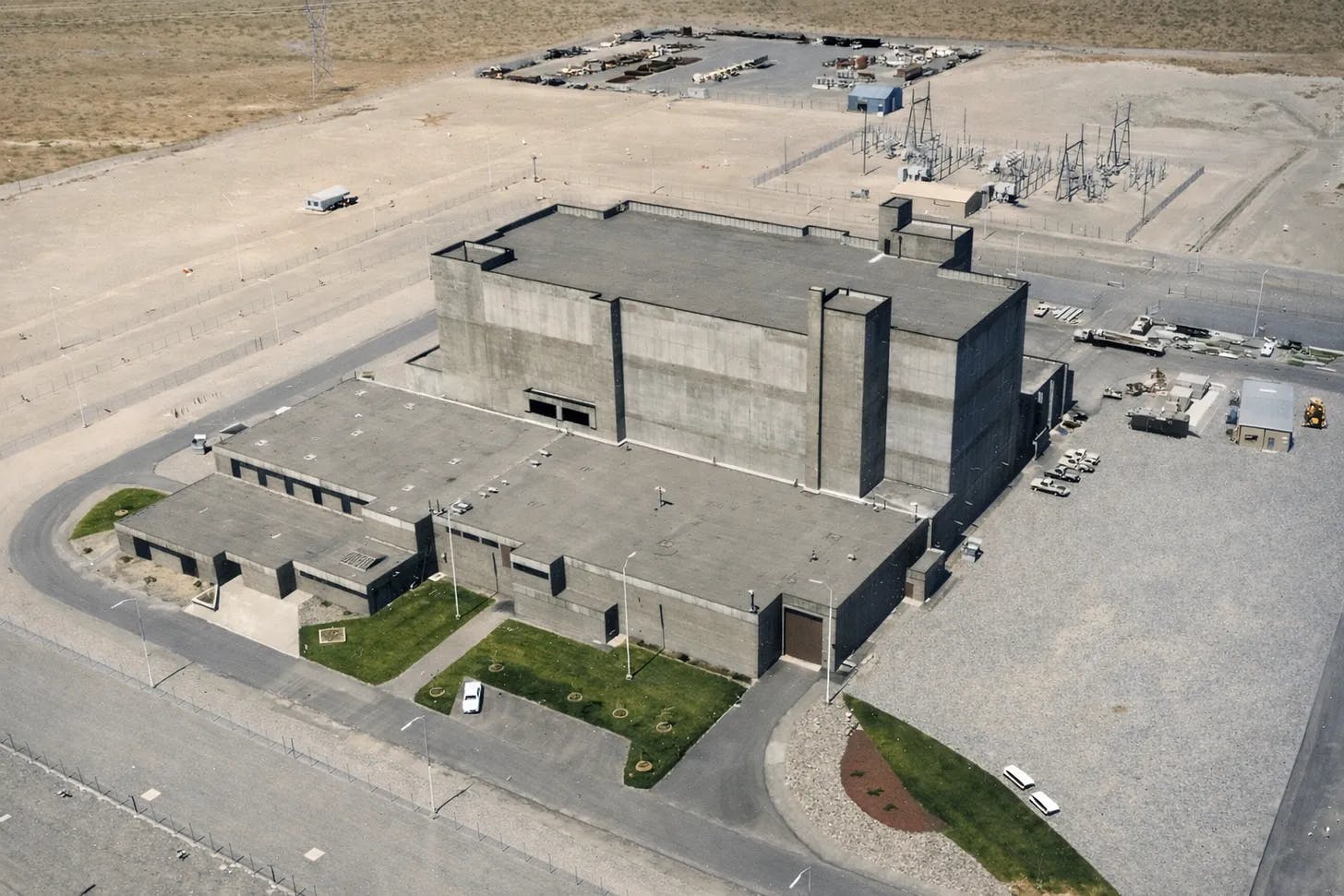
General Matter and the Department of Energy have signed a lease for the Hanford Site’s Fuels and Materials Examination Facility, unlocking its potential for America’s nuclear energy future.
The age of AI will require power at a scale America has never seen and is not prepared for. Data center electricity demand is projected to eclipse today’s grid by 2030, and Americans are right to ask what that means for their electricity bills and their communities.
Fortunately, the data center boom also represents the largest private capital investment in U.S. infrastructure in modern history. This creates a historic opportunity: harness a portion of the immense private capital investment to improve our public power production, electricity rates, and grid resilience.
With stranded power and extra grid capacity now scarce, data centers bringing power production online to cover consumption is becoming the default. Power generation infrastructure is a fraction of the cost of construction, chips, and the rest of the build.
Instead of bringing only what’s needed to cover their own consumption, what if data centers brought 110% and put the excess back on the grid, at or below cost? We call this opportunity BYOE: Bring Your Own Electricity.
If a data center consumes 1 gigawatt of power, they should bring 1.1 gigawatts online, whether behind the meter or via a traditional grid deployment. The extra 0.1 gigawatts, or 100 MW, would be enough to power over 50,000 homes, and if put back on the grid for low cost, would reduce consumer electricity prices and strengthen our grid at no cost to the taxpayer.
This policy would make data centers better than neutral: net positive. Every data center should put more power on the grid than it takes, and every community that hosts one should be better off than before it arrived.
This approach is good for Americans and good for the companies building and operating data centers. It means lower electric bills for consumers, less resistance for data center developers, and a faster path to AI dominance for America.
We can take this even further. Today, most data centers run on natural gas and draw from the existing grid. This is a bridge, not a destination. Nuclear fission is the only clean, safe, baseload answer to the expansion of our grid and electricity generation.
But fission has a supply chain issue: unlike Russia and China, we do not enrich uranium in our country. General Matter exists to fill this gap. To us, BYOE also stands for Bring Your Own Enrichment.
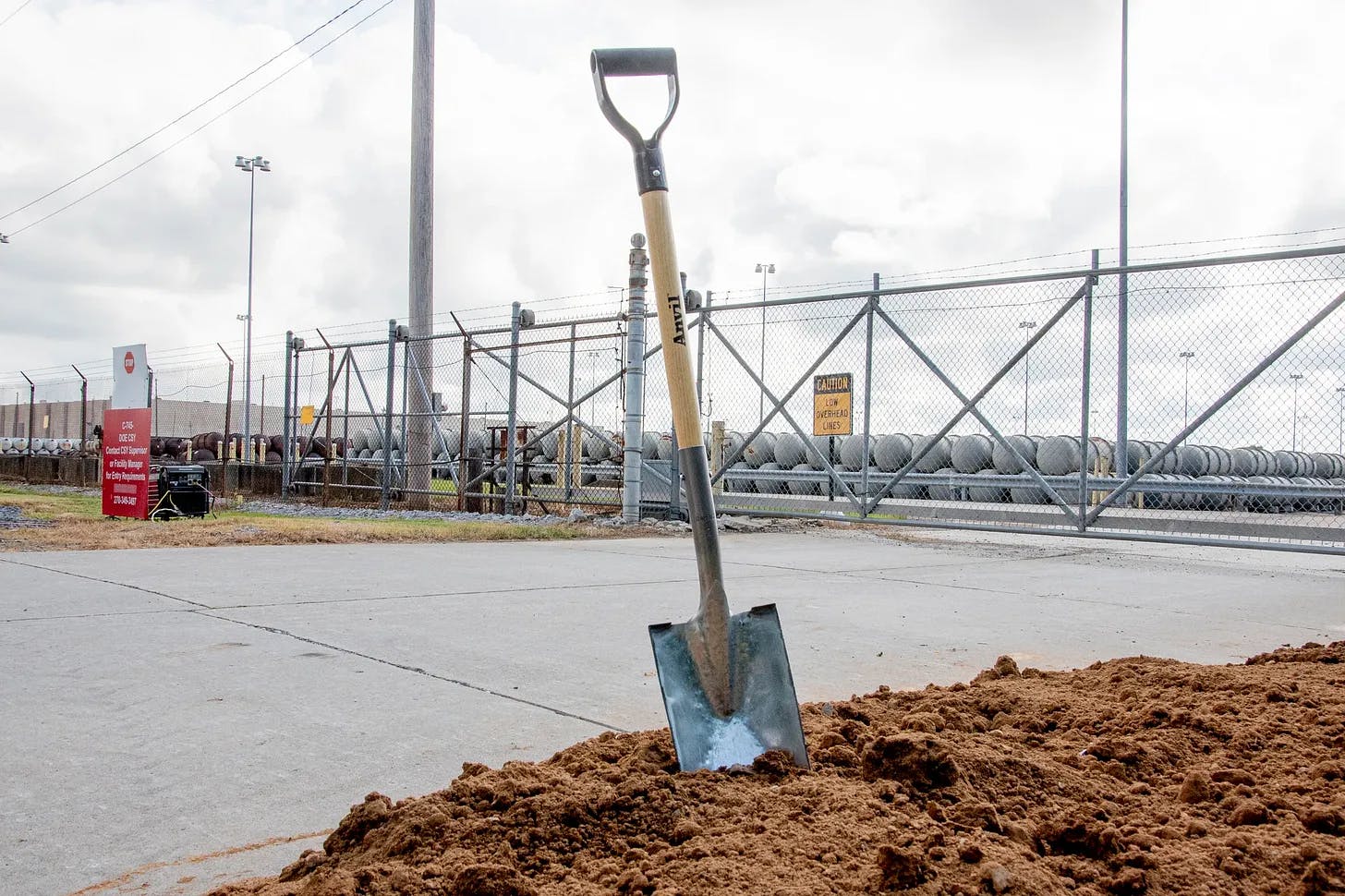
Building the BYOE infrastructure to power America’s future will be the Manhattan Project of our generation. Like the Manhattan Project, we have years to execute, not decades. That’s why in Paducah, Kentucky, where the American enrichment industry was born, we are building the nation’s first privately developed, American-owned enrichment facility, with the support of a $900 million contract with the Department of Energy. At the Hanford Site in Washington, we have leased a DOE facility to support fuel production for advanced reactors. Both facilities will be online before the end of this decade.
To achieve our national ambitions, we need more nuclear power, and more enrichment, than has been in humanity’s entire history. And when we build it, it will reduce the cost of electricity for all Americans. By bringing enrichment home, we are doing our part to ensure every American benefits from what is being built.
110% should be the standard, powered by nuclear. Our generation’s impact can be net positive.
General Matter and the Department of Energy have signed a lease for the Hanford Site’s Fuels and Materials Examination Facility, unlocking its potential for America’s nuclear energy future.
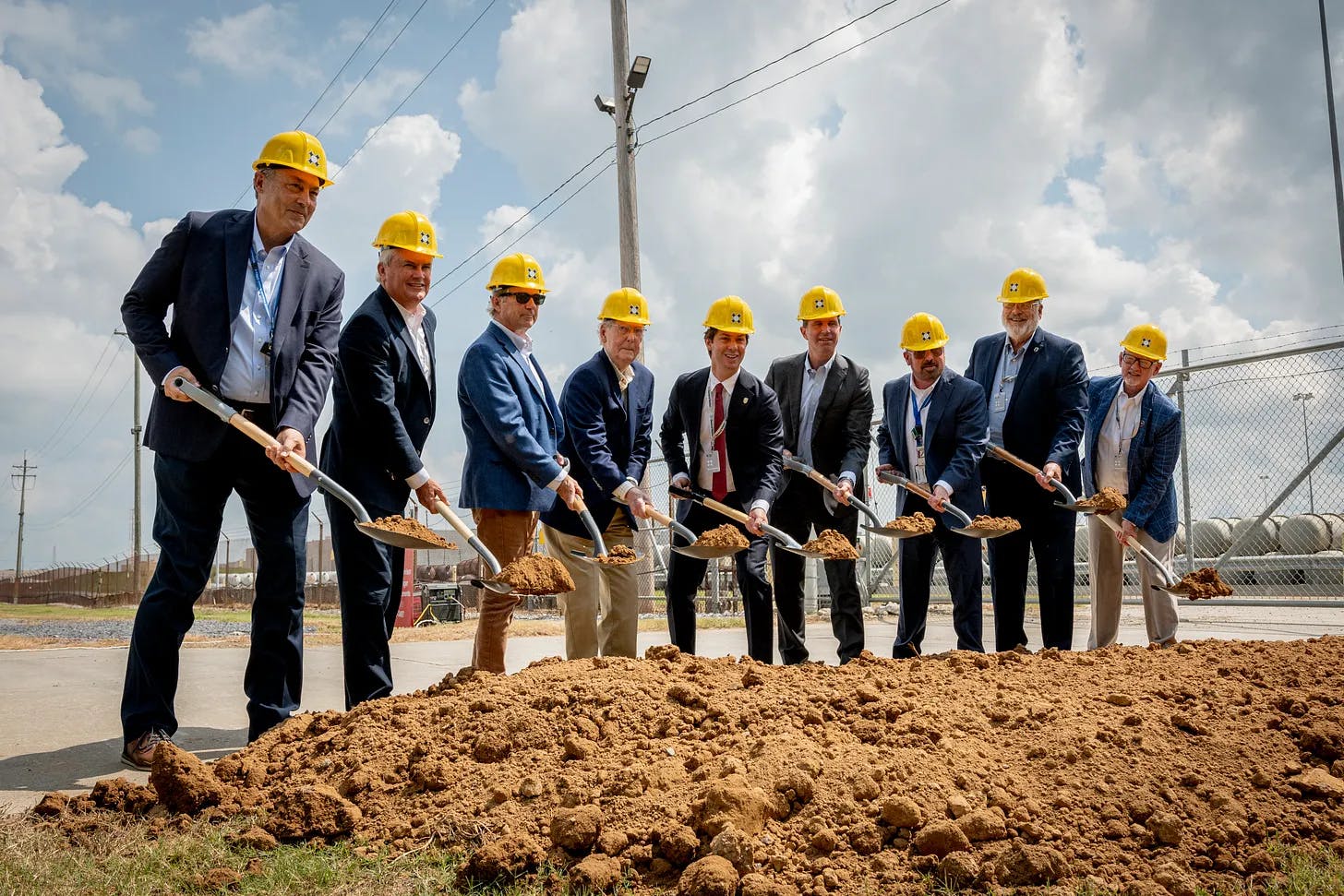
Under a $900 million contract, General Matter will produce and supply HALEU for the nation’s advanced reactors.
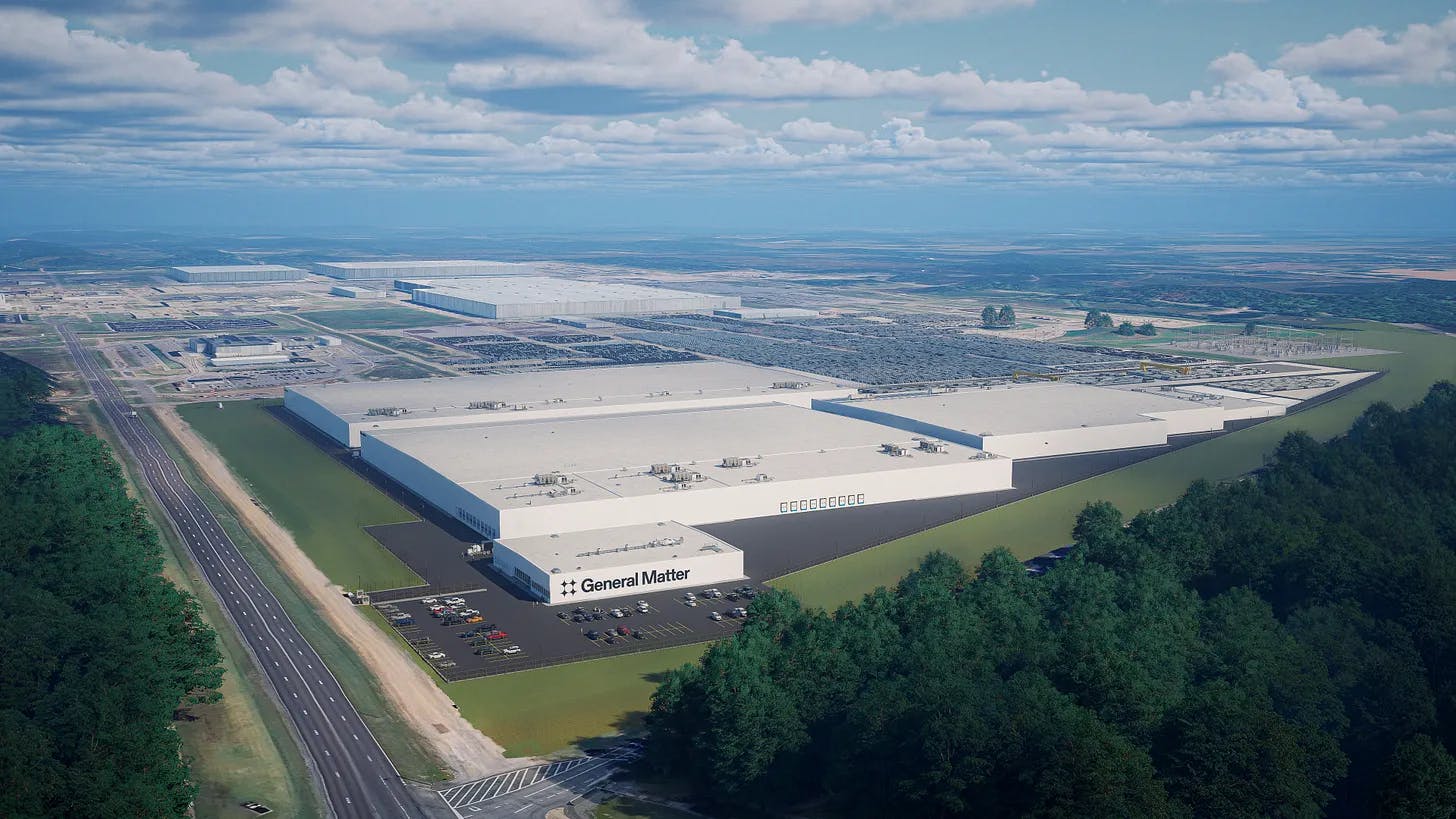
General Matter is bringing uranium enrichment back to the United States, starting at the site where the U.S. enrichment industry was born.